5 Things to Know Before Using a Melodic Type Beat in 2026
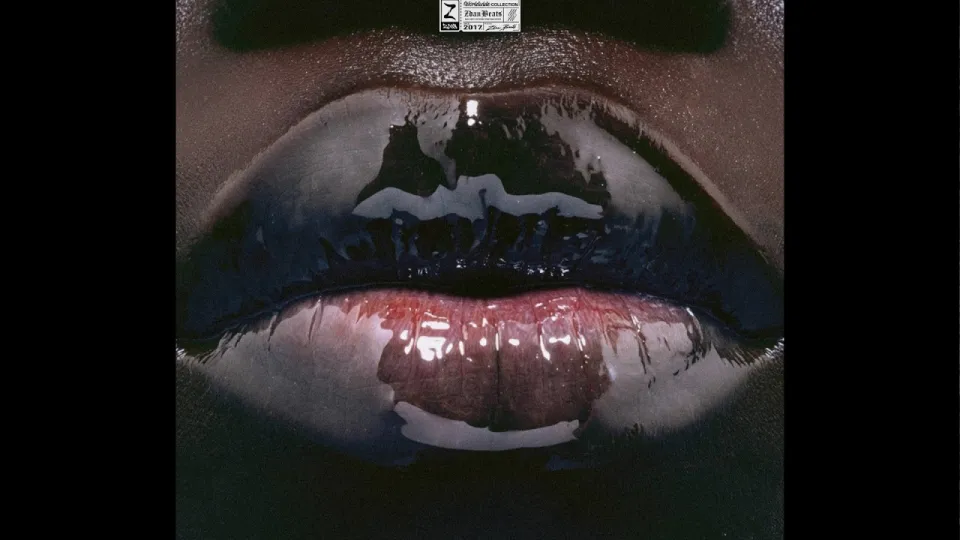
· based on the channel Zdan Beats
A melodic type beat is a rap instrumental built around a strong, singable melodic core — usually a guitar, piano or synth loop — sitting on top of trap drums, and it is typically sold or shared by producers as a ready-to-use template for writing. Zdan Beats' "LETITOUT" is a current example: a melodic trap type beat in B minor at 160 BPM, available as a purchasable beat license on BeatStars and free for non-profit use with credit.
What makes an instrumental a melodic type beat
The defining feature of a melodic type beat is that the harmony carries the song, not just the drums. In practice, that means a repeating chord progression or a hummable lead line that a rapper can latch onto for a hook, with the 808 and hi-hat pattern acting as support rather than the main event.
Producers usually label a beat this way so that artists searching for a particular mood — dark, emotional, guitar-driven, piano-driven — can find it quickly. The tag says less about genre than about workflow: you are expected to write a melody-first record over it.
Typical characteristics include:
- A tonal center stated clearly, so vocalists can find their register fast. "LETITOUT" is in B minor, a key that sits comfortably for many male rap voices and gives a naturally moody color.
- A mid-to-fast tempo that leaves room for both rapped verses and a sung chorus. At 160 BPM the beat reads as trap tempo, but a writer can also treat it as 80 BPM half-time for a slower, more melodic delivery.
- Layered texture — a main melodic loop, a counter-melody or pad, and drums that drop out and return to mark sections.
- Space in the arrangement for an ad-libbed or sung hook, which is where the melodic writing usually lands.
Key, BPM and how they change your writing
B minor and 160 BPM are the two numbers that most directly affect how you write to "LETITOUT". The key tells you which notes will sound resolved; the tempo tells you how many syllables fit comfortably in a bar.
On key: B minor's scale includes B, C#, D, E, F#, G and A. If you are not confident singing, hum along to the loop and note the pitch where your voice feels relaxed — that note is your anchor, and you can build a hook around it. Many writers transpose the beat or record vocals and pitch them afterward, but staying in the original key keeps the loop's character intact.
On tempo: at 160 BPM a single bar of 4/4 lasts 1.5 seconds. That is fast enough that sixteenth-note flows feel natural, and slow enough that a half-time feel (effectively 80 BPM) gives you long, sustained notes for a melodic chorus. Try both before committing: write one verse double-time and one chorus half-time and see which contrast serves the song.
Free download versus paid license, explained
A free type beat is not the same as a copyright-free beat, and the difference matters the moment you upload. The "LETITOUT" listing sets out three tiers of use, and each one changes what you are allowed to do with the recording.
- Free, non-profit use: you may release a song over the beat on YouTube or SoundCloud with no monetization, provided you credit the producer as "prod. Zdan Beats".
- Paid lease licenses: these unlock monetization and distribution. The store offers Buy 1 Get 1 Free on the Professional license, Buy 2 Get 1 Free on the Standard license, and Buy 1 Get 4 Free on the Unlimited license.
- Exclusive license: required if you want to register the song with a copyright organization such as BMI or ASCAP, or register it with Content ID.
A practical rule: decide where the song will live before you write. If it is a SoundCloud loosie or a YouTube freestyle, the free tier covers you. If it is going to Spotify or Apple Music, or you plan to collect royalties, budget for a lease — and read the lease's streaming cap, since leased beats usually limit distribution and monetized video counts.
Common questions writers ask about melodic type beats
Most hesitation around melodic type beats comes down to credit, platforms and registration rather than the music itself. Clearing these up early saves a takedown later.
First, credit. The standard format is a parenthetical producer tag in the title or description, exactly as specified: (prod. Zdan Beats). Leaving it out is the most common reason a free-use upload gets flagged.
Second, platforms. Free use explicitly excludes streaming services. Spotify and Apple Music distribution requires a paid license, so a song that performs well on YouTube cannot simply be moved over without upgrading.
Third, registration. Signing up with a performance rights organization or submitting to Content ID claims ownership of the composition and the master, which conflicts with a lease that the producer may resell to other artists. That is why both are reserved for an exclusive license.
Fourth, reuse. Multiple artists can lease the same beat, so your song may share an instrumental with someone else's. An exclusive license removes that possibility.
How to write and record over a melodic trap type beat
Start by mapping the arrangement before you write a single line. Load the beat into your DAW, mark where the drums enter, where they drop, and where the loop changes, then assign those sections to intro, verse, hook and bridge.
A workable sequence:
- Loop the hook section and hum until a melodic phrase sticks. Record it on your phone before you lose it.
- Write the chorus first, since the melodic core of the beat is designed to support it.
- Draft two verses that contrast with the chorus rhythmically — if the hook is sustained, keep the verses busier, and vice versa.
- Record a rough vocal over the full arrangement to test whether the energy holds for the whole song.
- Track final vocals, then mix so the melodic loop stays audible but does not fight the lead vocal in the same frequency range.
If you are freestyling rather than writing, treat the 160 BPM grid as sixteenth-note territory and let the melodic loop guide your pocket instead of forcing a dense flow over every bar.
Where to buy the beat and reach the producer
The official purchase link is the only place to secure a license for "LETITOUT", and it is also where the license tiers and terms are listed in full.
- Purchase and license the beat: https://bsta.rs/qQ4N7
- Instagram: @zdanbeats
- Email: zdanbeats@gmail.com
Use the store page for anything contractual and the social or email contact for collaboration questions, custom work or clearance clarifications.
Summary
"LETITOUT" is a B minor, 160 BPM melodic trap type beat from Zdan Beats that is free for non-profit use with a "prod. Zdan Beats" credit, and licensed for streaming, monetization and copyright registration through paid tiers. The key and tempo are the two facts that shape your writing most: B minor sets the mood and the singable range, while 160 BPM lets you choose between double-time verses and a half-time chorus. Decide on your release platform before you record, because that choice determines whether the free tier is enough. Zdan Beats presents the full breakdown of the beat and its license terms, and the BeatStars listing is where you can secure a license and check current bundle offers.
Key takeaways
- "LETITOUT" by Zdan Beats is a melodic trap type beat in B minor at 160 BPM.
- The beat is free for non-profit use only, with credit "prod. Zdan Beats" required.
- Streaming platforms such as Spotify and Apple Music require a paid license.
- Content ID registration and BMI/ASCAP registration require an Exclusive license.
- Licensing bundles: Buy 1 Get 1 Free (Professional), Buy 1 Get 4 Free (Unlimited), Buy 2 Get 1 Free (Standard).
Questions & answers
Can I use a melodic type beat for free on Spotify?
No. Free use of a beat like "LETITOUT" is limited to non-profit uploads on platforms such as YouTube or SoundCloud, with producer credit. Distributing to Spotify, Apple Music or other streaming services requires a paid license from the producer's store.
What does B minor at 160 BPM mean for a rapper?
B minor defines the tonal center, so it tells you which notes and vocal range will sound resolved against the loop. 160 BPM is a trap tempo that can be felt as fast sixteenth-note writing or as a half-time 80 BPM groove, which suits a slower, more melodic delivery.
Do I need an exclusive license to register my song with Content ID or BMI?
Yes. Registering with a copyright organization such as BMI or ASCAP, or submitting the song to Content ID, requires an Exclusive license. Leased beats can be resold to other artists, so claiming ownership through those systems conflicts with a standard lease.
How should I credit the producer when I upload a song over a free type beat?
Use the format the producer specifies, which for this beat is (prod. Zdan Beats), placed in the title or description of the upload. Missing credit is the most frequent cause of a free-use release being taken down or flagged.
Source: Melodic Type Beat - “LETITOUT” | Trap Type Beat | Rap Instrumental | Free Beat | Freestyle Beat 2026 · Markdown version